
Solar Battery Installation: What Businesses Need to Know Before Investing
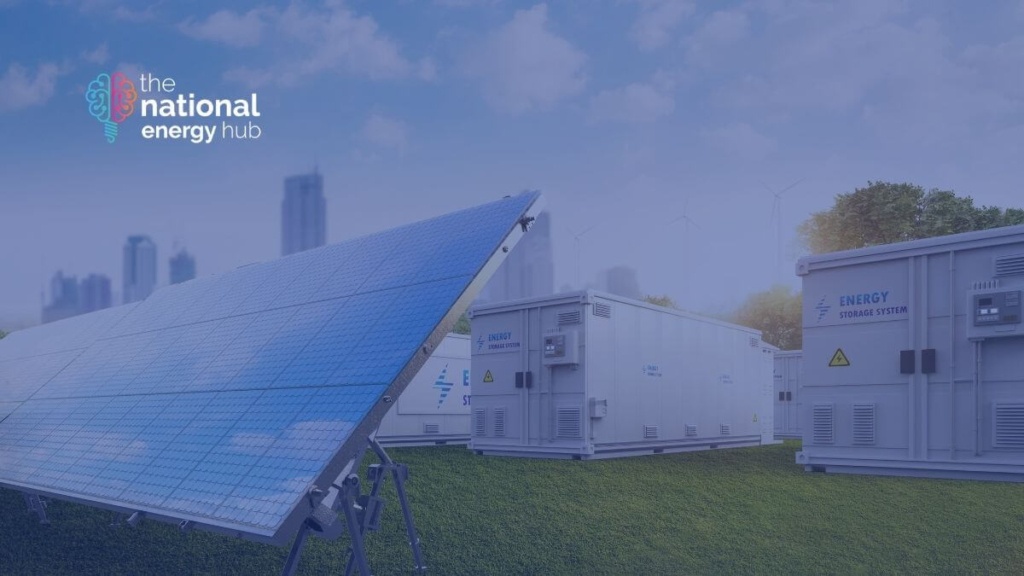
Battery storage is becoming an increasingly important part of the conversation. By storing electricity for use later, battery systems can help organisations reduce reliance on the grid, improve energy resilience, and get more value from the electricity they generate.
But installing a commercial battery system isn’t simply a case of choosing a battery and having it fitted. The decisions made before installation can have a significant impact on how well the system performs, how much value it delivers, and whether it continues to meet your business’s needs in the years ahead.
Key Takeaways:
- A successful battery storage project starts with understanding your business’s energy usage, operational goals, and long-term plans before choosing a system.
- Commercial battery installations typically include an energy assessment, site survey, system design, installation, and commissioning to ensure the solution is tailored to the organisation.
- Battery storage can be installed alongside a new commercial solar system or added to many existing solar installations, depending on the site’s infrastructure.
- The greatest long-term value comes from monitoring and optimising battery performance over time, rather than treating it as a one-off installation.
- Battery storage works best as part of a wider energy strategy that considers commercial solar, energy procurement, and opportunities to reduce costs and generate additional revenue.
Is Your Business Ready for Solar Battery Storage?
Before thinking about the installation itself, it’s worth understanding whether battery storage is the right fit for your business.
Not every organisation has the same energy requirements, and the best battery system for one business may not be the right solution for another. Factors such as how much electricity you use, when you use it, whether you already have commercial solar, and what you’re hoping to achieve will all influence the design of the system.
Rather than starting with the technology, most successful projects begin by looking at how the business uses energy today and how those requirements might change in the future.
One of the first steps is reviewing your energy usage.
This includes looking at how much electricity your business consumes, when demand is highest, and whether there are opportunities to reduce reliance on the grid by storing and using energy more strategically.
What Happens During a Commercial Battery Installation?
Every installation is different, but most commercial battery storage projects follow a similar process. The aim isn’t simply to install a battery. It’s to design a system that works alongside your business’s energy requirements and continues to deliver value long after it’s been commissioned.
Step 1: Initial energy assessment
The process usually starts with an assessment of how your business currently uses energy.
This goes beyond looking at electricity bills. It involves understanding your energy profile, when demand is highest, how your existing infrastructure performs, and what you’re hoping to achieve. If you already have commercial solar, your generation and export data will also be reviewed to understand where battery storage could add the greatest value.
Step 2: Site survey and feasibility assessment
The next stage is a detailed survey of the site.
Engineers will assess where the battery could be installed, review the existing electrical infrastructure, and identify whether any upgrades or additional equipment may be required. They’ll also consider practical factors such as available space, access for installation, ventilation requirements, and any relevant health and safety considerations.
The aim is to confirm that the proposed solution is technically suitable before the project moves forward.
Step 3: System design
Using the information gathered during the assessment, the battery system is designed around the needs of the business.
This includes selecting the appropriate battery capacity, determining how the system will integrate with any existing solar installation, and specifying the monitoring and energy management software needed to optimise performance.
A good design also considers future requirements, such as business expansion, increased electricity demand, or the addition of technologies like EV charging.
Step 4: Installation, testing and commissioning
Once the design has been approved, the battery system is installed and connected to your existing electrical infrastructure.
Before the project is signed off, the system is thoroughly tested to ensure it’s operating safely and performing as intended. This commissioning stage also includes configuring the monitoring platform, checking communication between different components, and confirming the battery is ready for day-to-day operation.
Once complete, the business can begin using its battery storage system as part of its wider energy strategy.
Should You Install Battery Storage at the Same Time as Solar?
If you’re planning a commercial solar installation, it’s worth considering battery storage at the same time.
Designing both systems together allows them to be optimised as a single solution from the outset. Rather than treating the battery as an afterthought, businesses can ensure it’s correctly sized and integrated, and aligned with their long-term objectives.
That doesn’t mean you have to install both at the same time. Many businesses successfully add battery storage to an existing commercial solar system once they’re ready. The right approach depends on your budget and business priorities.
Installing solar and battery storage together
For businesses investing in a new solar installation, combining it with battery storage can offer several advantages.
The two systems can be designed to work together from day one, helping maximise self-consumption of the electricity generated on-site while reducing the need for future installation work. It also allows businesses to plan for future energy requirements, rather than upgrading the system later.
Adding battery storage to an existing solar system
If your business already has commercial solar panels, it may still be possible to retrofit battery storage.
Many organisations choose this route after seeing how much electricity they’re exporting back to the grid or once their energy requirements change. A battery can help capture more of that self-generated electricity and make it available when it’s needed later in the day.
The suitability of a retrofit will depend on factors such as the existing solar installation, electrical infrastructure, and the objectives of the project, which is why an initial technical assessment is an important part of the process.
What Can Affect the Complexity of a Battery Installation?
No two commercial battery storage projects are exactly the same. While the installation process generally follows the same stages, the time, cost, and complexity of the project can vary depending on the site and the business’s requirements.
Understanding these factors early helps set realistic expectations and ensures the system is designed to deliver the best long-term results.
The size of the battery system
Larger battery systems generally require more planning and more extensive installation work than smaller ones.
The battery itself, the supporting equipment, and the electrical infrastructure all need to be sized appropriately to meet the organisation’s energy requirements. That’s why commercial systems are designed around how a business uses energy, rather than simply choosing the biggest battery available.
Your existing electrical infrastructure
The condition and capacity of your existing electrical infrastructure can also influence the installation.
Some businesses may already have everything needed to integrate a battery system, while others may require upgrades to switchgear, cabling, or other electrical components before installation can begin.
Grid connection requirements
Depending on the size and design of the system, there may be requirements relating to the local electricity network.
This can include notifying or obtaining approval from the relevant Distribution Network Operator (DNO), particularly where the battery system will export electricity or significantly change how the site interacts with the grid.
Future energy plans
A battery system should be designed with the future in mind, not just today’s energy demand.
If your business is planning to expand, install EV chargers, increase production, or add commercial solar in the future, these plans should be considered during the design stage. Building flexibility into the system now can help avoid unnecessary upgrades later and ensure your investment continues to deliver value as your business evolves.
Maximising the Long-Term Value of Battery Storage
Installing a battery storage system is a major milestone, but it’s only the beginning. The biggest returns aren’t achieved on the day the battery is commissioned. They come from making sure it continues to support your business as energy prices, operations, and technology evolve.
Like any long-term business investment, battery storage should be reviewed and optimised over time to ensure it’s delivering the greatest possible value.
Monitor how your battery is performing
Modern battery systems generate a huge amount of data.
Monitoring performance helps businesses understand how the battery is being used, how much energy it’s storing and discharging, and whether it’s delivering the savings and operational benefits originally expected. It also makes it easier to identify opportunities for further optimisation as energy usage changes over time.
Review your energy strategy regularly
Your business won’t stand still, and neither should your battery strategy.
Changes such as business growth, new equipment, EV charging, additional solar capacity, or changing electricity tariffs can all affect how the battery should operate. Reviewing your wider energy strategy regularly helps ensure the system continues to deliver the strongest possible return on investment.
Turn energy into a revenue stream
For many businesses, this is the part of battery storage that changes the conversation completely.
A battery doesn’t just help reduce energy costs. Depending on how the system is configured and the opportunities available, it can also become a revenue-generating asset.
Some businesses are now using battery storage to export electricity back to the grid or participate in flexibility and demand response markets. In return, they can generate additional income while also helping support the wider electricity network during periods of high demand.
This means battery storage has the potential to deliver value in three different ways
- Store energy when it’s available.
- Save money by using that energy at the most valuable time.
- Sell electricity or flexibility back to the grid, creating a potential new revenue stream.
While this isn’t suitable for every organisation, it’s one of the reasons battery storage is increasingly being viewed as a strategic business asset rather than simply somewhere to store electricity.
Think of your battery as a long-term business asset
The businesses that see the greatest value from battery storage don’t treat it as a one-off installation.
Instead, they see it as part of a wider energy strategy alongside commercial solar, energy procurement, and ongoing energy management. Taking this long-term view helps ensure the battery continues to reduce costs, improve resilience, and create value for many years after it’s installed.
Plan Your Battery Storage Investment With Confidence
Installing battery storage is about much more than choosing the right equipment. The decisions made before, during, and after installation all influence how much value the system delivers over its lifetime. Taking the time to understand your energy usage, future plans, and wider business objectives can help ensure your investment continues to deliver long after the installation is complete.
At The National Energy Hub, we help businesses look beyond the technology itself. Whether you’re exploring battery storage for the first time, planning a commercial solar project, or reviewing your wider energy strategy, our specialists can help you make informed decisions that support your organisation for the long term. Get in touch to discuss your requirements and explore the options available to your business.
————————————
Frequently Asked Questions About Commercial Battery Installation
Will installing battery storage disrupt business operations?
In many cases, disruption can be kept to a minimum with careful planning. Installation is often scheduled around operational requirements, and experienced installers will work to minimise downtime wherever possible. The level of disruption depends on the size of the project and any upgrades required to the existing electrical infrastructure.
Can battery storage be installed indoors or outdoors?
Commercial battery systems can be installed either indoors or outdoors, depending on the available space, the type of battery being used, and the site’s operational requirements. During the site survey, installers will recommend the most appropriate location based on safety, accessibility, ventilation, and environmental conditions.
Do businesses need planning permission to install battery storage?
Planning requirements vary depending on the site, the size of the installation, and where the battery will be located. While many commercial projects can proceed without full planning permission, it’s important to seek professional advice early in the process to understand any local requirements or approvals that may apply.
How long does a commercial battery installation take?
Every project is different. Installation times depend on factors such as the size of the battery system, the complexity of the site, and whether any electrical upgrades are required. Your installer should be able to provide a project timeline following the initial assessment and system design.
Can battery storage be added to an existing commercial solar system?
Yes. In many cases, battery storage can be retrofitted to an existing commercial solar installation. A technical assessment will determine whether the current system and electrical infrastructure are suitable and identify any modifications that may be needed.
Who is responsible for maintaining a commercial battery system?
Battery systems should be inspected and maintained in line with the manufacturer’s recommendations to ensure they continue operating safely and efficiently. Many businesses choose to work with their installer or a specialist energy provider to carry out routine servicing and monitor system performance over time.
What should businesses look for when choosing a battery storage provider?
Price is only one part of the decision. It’s also important to consider the provider’s experience, system design capabilities, ongoing support, monitoring software, maintenance services, and whether they can help your business optimise the system long after the installation has been completed.
Related Post

AI in the UK Energy Market: How AI Will Transform UK Energy.
